
Activated Chaicoal Remove unwantedness
Activated Chaicoal Remove unwantedness.
Not just a Chaicoal. But activated to remove unwantedness in the system.
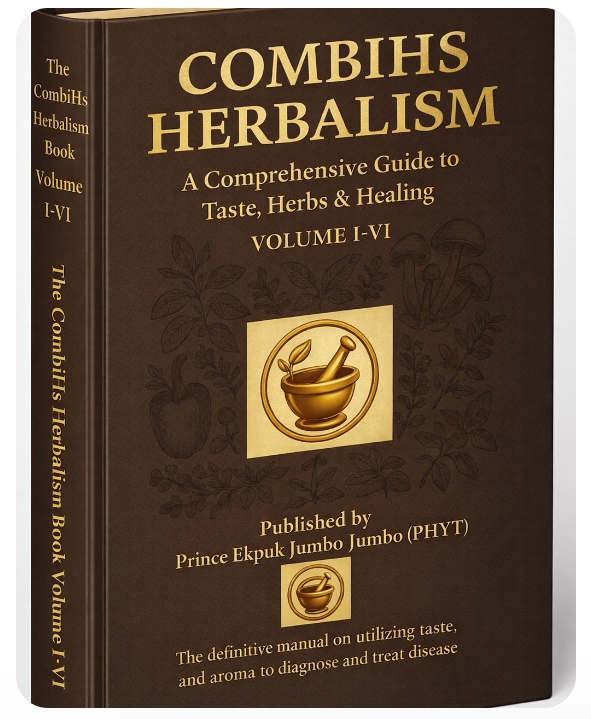
General Introduction
Welcome to The Six Tastes, the heart of CombiHs energetic healing.
In this volume, you will discover how taste governs vitality, organ strength, emotional balance, and everyday wellness. Every food, herb, and remedy carries a taste-energy that shapes how your body responds to life.
By understanding the six tastes—sweet, sour, salty, bitter, pungent, and astringent—you unlock a deeper system for correcting chronic imbalance, reversing excess-origin disorders, and restoring whole-body harmony.
Through clear explanations, practical formulas, and energetic diagnostics, this volume becomes your daily compass for choosing the right herbs at the right time for the right condition.
As you progress, Volume III explores diagnostic energetics, Volume IV unveils practitioner-level healing strategies, and Volume V delivers advanced applications, case studies, and complete clinical guidance. Together, these volumes form a transformational pathway from beginner understanding to confident herbal mastery.
Sweet taste attracts every culture because it instantly restores energy and comfort. In The Six Tastes, sweet taste functions as an energetic force that nourishes, builds, and stabilizes the body.
However, excess sweet leads to stagnation.
Common Sweet Herbs/Foods: Honey, dates, licorice, yam, rice, sweet potato, cinnamon
Key Properties: Natural sugars, fiber, zinc, magnesium, antioxidants
Caution: Excess causes inflammation, insulin imbalance, fatty liver, and slow digestion.
Emotional Effects: Worry, overthinking
Common Symptoms: Weight gain, cravings, tiredness after meals, puffy skin
Corrective Tastes: Bitter + Astringent + Pungent
Bitter leaf — 20 g
Guava leaf — 15 g
Ginger — 10 g
Licorice — 5 g
Use 1–2 cups daily for 14–21 days.
Sweet cravings reflect emotional exhaustion. Balancing herbs restore calmness and mental clarity.
Record your sweet intake for seven days and add one bitter, one astringent, and one pungent herb daily.
Sour taste sharpens the senses and strengthens digestion. It represents activation and movement.
Sources: Lemon, lime, tamarind, hibiscus, fermented foods
Nutrients: Vitamin C, antioxidants
Emotional Pattern: Irritability, anger
Corrective Tastes: Sweet + Astringent + Bitter
Licorice — 10 g
Guava leaf — 15 g
Bitter leaf — 20 g
Sour excess expresses as quick anger. Cooling herbs soften emotional fire.
Track sour intake and apply corrective herbs daily.
Salty taste maintains hydration and minerals but easily stresses the kidneys and lymphatic system.
Sources: Sea salt, seaweed, salted foods
Effects: Fluid regulation, nerve support
Corrective Tastes: Sweet + Astringent + Bitter
Licorice — 10 g
Dandelion — 15 g
Hibiscus — 10 g
Salt excess weakens kidney energy, leading to fear and insecurity.
Reduce salty foods and add balancing herbs daily.
One reader shared how applying CombiHs herbal principles transformed years of chronic fatigue and digestive imbalance. After identifying taste excess and introducing bitter and astringent herbs, her energy improved, cravings reduced, and emotional stability returned within three weeks.
The Six Tastes empowers homes to prevent and correct illnesses caused by taste excess while equipping herbal students with accurate diagnostic skills.
Use this volume as your daily guide for restoring balance, selecting the right herbs, and preventing organ overload before it becomes chronic disease.
Medium Publication
Tropical Herbs NG
Activated Chaicoal Remove unwantedness.
Not just a Chaicoal. But activated to remove unwantedness in the system.
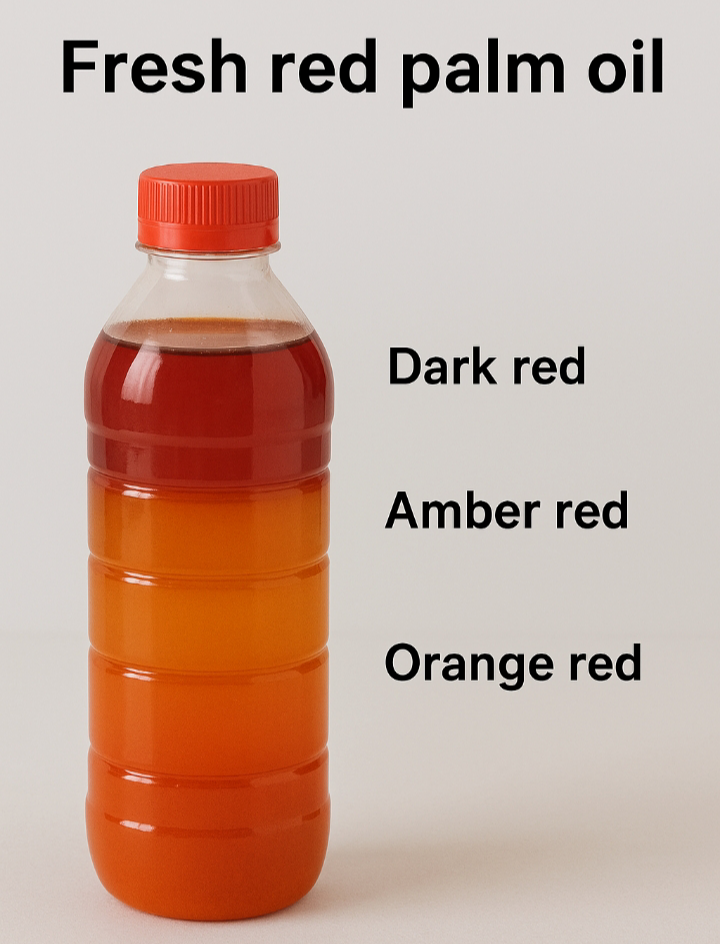

We deliver core herbal procedure cures for our users for better and more efficient health value.
