
Activated Chaicoal Remove unwantedness
Activated Chaicoal Remove unwantedness.
Not just a Chaicoal. But activated to remove unwantedness in the system.
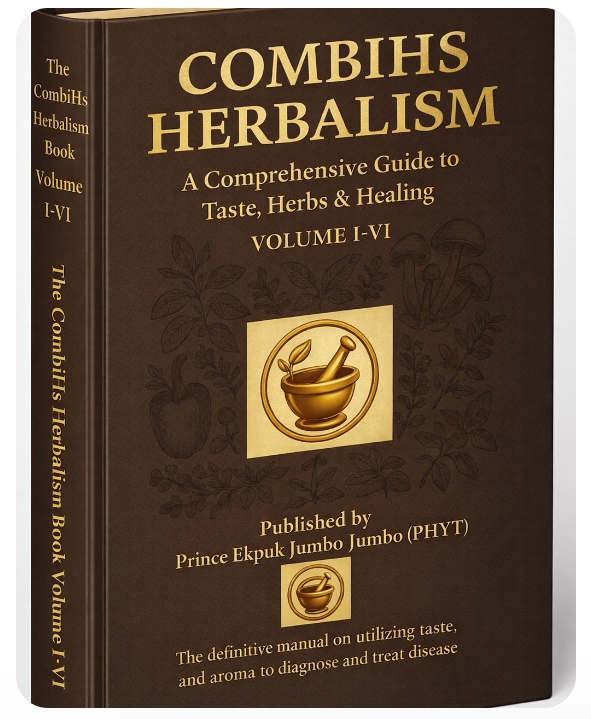
General Introduction
This volume, titled Organs, Systems & Taste-Energy Pathology, is Volume III of the CombiHs Herbalism Book series.
Volume III opens a deeper doorway into the hidden connection between human organs, everyday food tastes, and the energetic patterns that shape wellness. It reveals how sour, bitter, sweet, pungent, salty, and astringent tastes influence hormones, digestion, circulation, emotions, and detoxification pathways.
Each chapter transforms complex herbal science into simple, practical, and life-changing healing tools. This volume provides a daily guide for balancing organ needs while detecting early signs of organ stress before disease develops.
Volume III also prepares you for the rich teachings ahead in Volume IV and Volume V, where herbal diagnostics, practitioner-level applications, collection techniques, and advanced combinations expand your mastery of natural healing at home.
Volume IV trains you in practical consultations, rapid body-assessment skills, and the art of designing daily herbal plans. Volume V completes your journey with advanced techniques, field practices, production methods, and detailed appendices that support lifelong mastery of herbal medicine.
Together, these volumes form a complete natural medicine education for personal and professional use.
Chapters 15–21 are essential for understanding how taste heals organs.
The liver governs detoxification, while the gallbladder stores and releases bile for digestion. Their energetic balance responds strongly to sour, bitter, and sweet tastes, rapidly influencing mood, metabolism, and blood quality.
These herbs detoxify the liver, improve bile movement, and stabilize mood.
Track sour foods for seven days, drink 1–2 cups of corrective tea daily, and observe emotional and digestive changes.
The heart controls circulation while the small intestine absorbs nutrients. Bitter, sweet, and pungent tastes shape their energy and performance.
These herbs refresh blood flow and enhance intestinal absorption.
Evaluate heart rhythm, apply balancing herbs, and monitor mood and circulation changes.
These organs drive digestion, nutrient breakdown, and energy distribution. They react strongly to sweet and astringent tastes.
Track sweet intake, add digestive herbs daily, and observe changes in energy and bowel movement.
The lungs regulate breathing while the large intestine eliminates waste. Pungent and astringent tastes dominate their function.
Reduce pungent foods, drink hydrating teas, and track lung and skin changes.
The kidneys regulate water balance, the bladder eliminates waste, and the adrenal glands manage stress. Salty and sweet tastes strongly influence these systems.
Track salt intake, apply balancing herbs, and observe changes in swelling and blood pressure.
Blood quality, hormone regulation, and circulation respond to all six tastes through synergy or imbalance.
Apply balancing herbs for 14–21 days and monitor energy, mood, and circulation.
Long-term taste imbalance creates organ-specific disorders. Corrective tastes initiate rapid healing when applied early.
| Excess Taste | Affected Organs | Disorders |
|---|---|---|
| Sweet | Pancreas, Liver | Diabetes, Fatty liver |
| Sour | Liver, Gallbladder | Ulcers, Reflux |
| Salty | Kidneys, Bladder | Edema, Hypertension |
| Bitter | Heart, Liver | Dryness, Weakness |
| Pungent | Lungs, Skin | Cough, Rashes |
| Astringent | Colon, Muscles | Cramps, Constipation |
Monitor taste habits, apply opposite-taste herbs, and use early diagnosis to correct organ stress patterns.
Keep a one-week taste diary, map symptoms, and adjust herbal formulas weekly.
A 72-year-old woman struggled for years with bloating, muscle pain, and fatigue. By applying the CombiHs taste-correction system and reducing sweet and astringent excess, her digestion improved, muscle tension eased, breathing felt lighter, and energy returned within weeks.
The CombiHs Herbalism Book serves as a home-care healing guide and a professional training manual for students seeking practical diagnostics and safe herbal applications.
Take control of your health naturally. Begin your CombiHs Herbalism journey today.
Medium Publication
Tropical Herbs NG
–
Activated Chaicoal Remove unwantedness.
Not just a Chaicoal. But activated to remove unwantedness in the system.
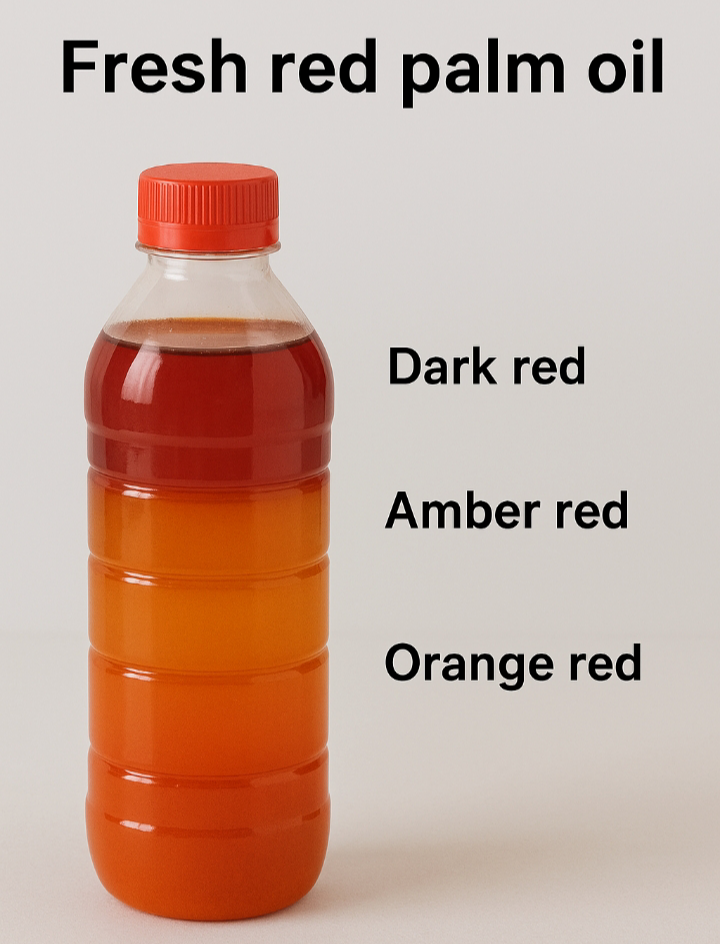

We deliver core herbal procedure cures for our users for better and more efficient health value.
