
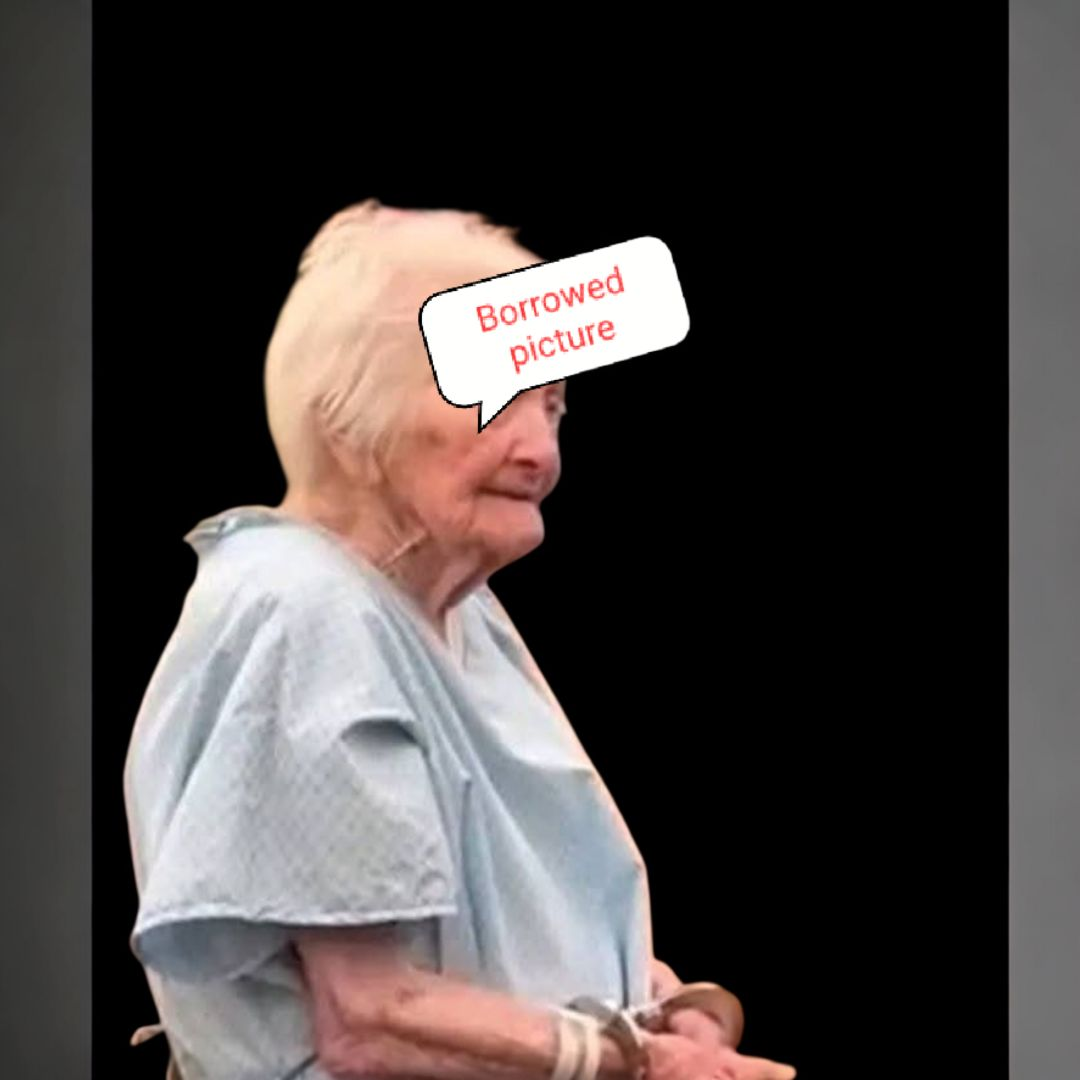
When Desperation Breaks the Law: The Hidden Health Crisis No One Wants to Face
By Ekpuk Jumbo —Desperation Health Crisis
1. How Nutrient Deficiencies Damage the Heart — Helen’s Case as a Warning
Helen’s story is deeply human and biological. Her husband’s heart failure developed slowly over decades — not overnight. While age and genetics matter, long-term nutrient gaps are silent contributors: deficits in minerals (magnesium, potassium), antioxidant support, and circulation-promoting phytonutrients weaken heart tissue and raise inflammation. Over time arteries stiffen, blood pressure rises, and heart muscle becomes fragile.
“The body cannot survive on hope alone. Without nutrient-dense foods and early prevention, even the strongest heart can fail earlier than it should.”
In many low-budget diets the missing pieces are the nutrient properties — magnesium for muscle and rhythm support, potassium for pressure balance, polyphenols and anthocyanins for vascular health, organosulfur compounds for artery protection, and bioavailable antioxidants for inflammation control. These building blocks keep the heart resilient.
Foods for Heart Strength and Longevity-Desperation Health Crisis
- Leafy greens — magnesium & potassium
- Allium vegetables (e.g., onions, garlic) — organosulfur compounds
- Tomato-based foods — lycopene & other carotenoids
- Root spices (e.g., ginger, turmeric) — anti-inflammatory compounds
- Berries — anthocyanins & polyphenols
- Whole grains (millet, oats) — fiber and micronutrients
- Nuts & seeds — healthy fats, magnesium
- Legumes — plant protein, potassium
These are preventive, everyday foods — not luxuries. Early, consistent intake strengthens organs and reduces the risk of crisis later in life.
2. Natural Nutrient Properties That Support Cardiovascular Health
Modern evidence and traditional practice converge on a set of nutrient actions that protect the heart:
- Anti-inflammatory polyphenols: reduce chronic inflammation that stresses the heart.
- Anthocyanins & flavonoids: improve vessel flexibility and microcirculation.
- Organosulfur compounds: support healthy cholesterol balance and arterial function.
- Magnesium & potassium: maintain rhythm and blood-pressure balance.
- Carotenoids (e.g., lycopene): act as antioxidants for heart tissue.
- Proanthocyanidins and quercetin-like compounds: support capillary strength and anti-oxidative defenses.
Taken consistently as part of diet and targeted supportive blends, these nutrient properties build endurance, steady rhythm, and better vascular health — reducing the odds of the slow degeneration that led to Helen’s crisis.
3. How Poor Planning and Weak Support Systems Turn Health Problems Into Emergencies
Heart failure destroys stability when planning is absent. The couple depended on a fragile insurance plan and day-to-day living. Without savings, community support, or basic prevention, a single missed payment or acute event can become catastrophic.
Prevention needn’t be expensive. Small regular investments — both financial (emergency savings) and biological (nutrient-rich foods, accessible supplements) — dramatically reduce risk. Community outreach, family networks, and local education fill gaps when formal systems fail.
4. Why Desperation Drives Ordinary People Toward Criminal-Like Actions
Desperation changes decision-making. Helen did not seek to harm society; she sought to keep a loved one alive. When money, knowledge, and timely help are absent, survival instincts can override legal concerns.
The response should be empathy, not only punishment. Policy and public health must recognize that many “offenses” in these contexts are symptoms of poverty and health-system failure. Education, nutrient access, quick-response community care, and affordable medicine are tools that prevent desperation before it becomes a crisis.
Conclusion — A World That Forces Survival to Become a Crime Must Change
Helen’s story forces hard questions: How many families are one medical bill away from disaster? How many preventable nutrient gaps become fatal years later? We must build systems that prioritize prevention — nutrition education, community supports, and low-cost access to life-sustaining nutrients — so no one is driven to act out of desperation.
If this article moved you and you believe prevention matters, stay connected. Learn the nutrients, adopt prevention strategies, and support community safety nets.
